Reishi: bioactive compounds, traditional uses and research status
Share
Reishi: bioactive compounds, traditional uses and research status
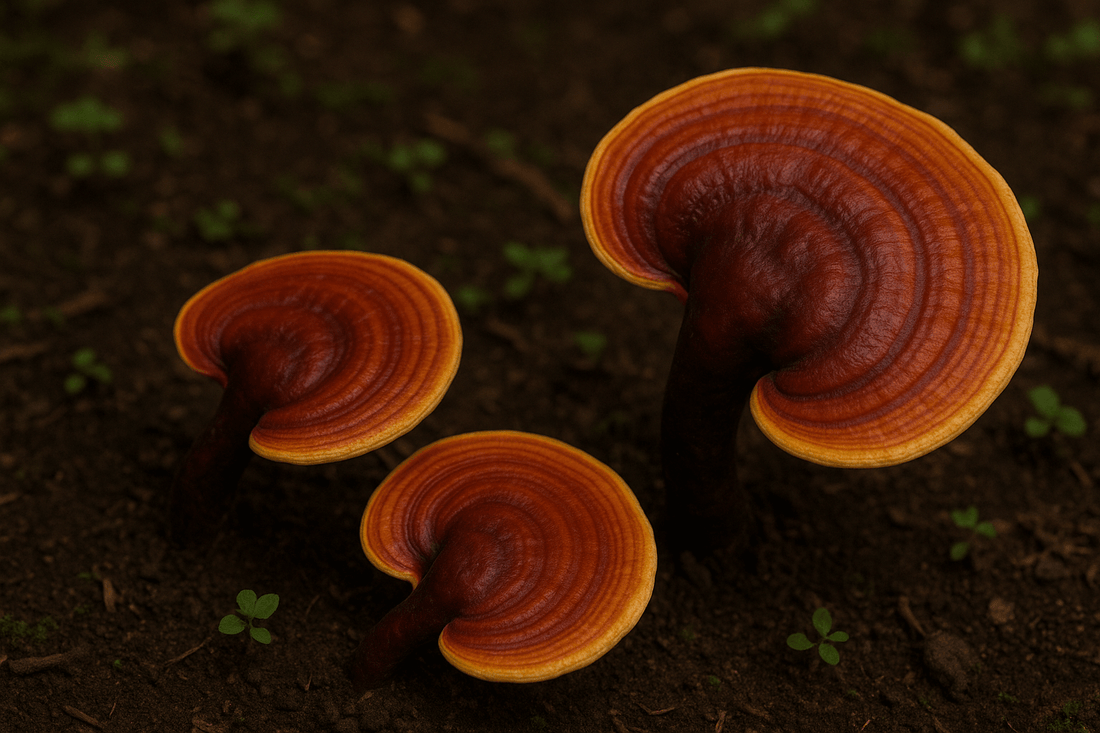
Reishi (Ganoderma lucidum) has a long history in Asian pharmacopoeias. Today it is often presented as a mushroom for calm, sleep or immunity. The reality is more nuanced: its composition is well documented, but clinical evidence varies depending on the use.
Reishi, Lingzhi and tradition
In Chinese tradition, Reishi — often associated with the term Lingzhi — held an important symbolic and medicinal place. Ancient texts associate it with longevity and balance. These historical uses help explain its reputation without constituting modern clinical evidence.
To place this mushroom in its historical context, see our article on medicinal mushroom pharmacopoeias.
Triterpenes
Reishi is rich in triterpenoids, including various ganoderic acids. They contribute to its bitter taste and are among the compounds studied in biological models.
Beta-glucans
Like other mushrooms, Reishi contains polysaccharides including beta-glucans. Their structure, concentration and availability depend on the strain, the part used and the extraction process.
Reishi and sleep
Reishi is often presented as a “sleep mushroom.” It is not, however, a sleeping pill. Some experimental research and limited human data explore its influence on fatigue, well-being or sleep, but the results do not justify promising a quantified or systematic improvement.
The more accurate intent is therefore Reishi and a calming routine, not “natural treatment for insomnia.”
Stress and mood
Reishi’s adaptogenic reputation comes partly from traditional uses and research on stress-related mechanisms. Human evidence remains insufficient to present it as a treatment for anxiety or depression.
Immunity
Beta-glucans explain the research interest in immune interactions. Here again, “studied immunomodulation” is more accurate than “boosts immunity”: immune responses are complex and depend on context.
Water extract, dual extraction or powder?
The extraction method changes which compounds are recovered. Water extraction is particularly suited to some polysaccharides; other molecules, including several triterpenes, have different solubility properties. This is why some manufacturers use combined processes.
How to choose a quality Reishi?
- Latin name and species identified;
- part used clearly stated;
- cultivation method and origin documented;
- extract type clearly explained;
- contaminant analyses;
- beta-glucan content or other markers when claimed.
Precautions
Professional advice is relevant if you take anticoagulant or antihypertensive medication, have a chronic condition, are pregnant or breastfeeding, or before surgery. People allergic to mushrooms should also be cautious.
Reishi or another mushroom?
If your main goal is cognition, Lion’s Mane is more relevant. For exercise and energy, see Cordyceps. Our comparison guide helps distinguish them.
In summary
Reishi deserves better than promises of “immortality,” “detox” or “+80% sleep.” Its interest comes from its long history of use, its triterpenes and beta-glucans, and ongoing research. It can fit into a wellness routine, but it should not be presented as a medicine.