Medicinal mushrooms and the gut microbiota: what do we know?
Share
Medicinal mushrooms and the gut microbiota: what do we know?
Mushrooms contain polysaccharides, including certain beta-glucans, that can interact with the microbiota and the intestinal immune system. This explains the growing interest in Lion’s Mane, Reishi and Chaga in research on the gut–immune axis.
It is important, however, to distinguish between prebiotic potential, experimental findings and demonstrated clinical benefit. This page focuses on that distinction and no longer links to older Chaga, Reishi or standalone Lion’s Mane products that Ômara no longer sells individually.
What is the gut microbiota?
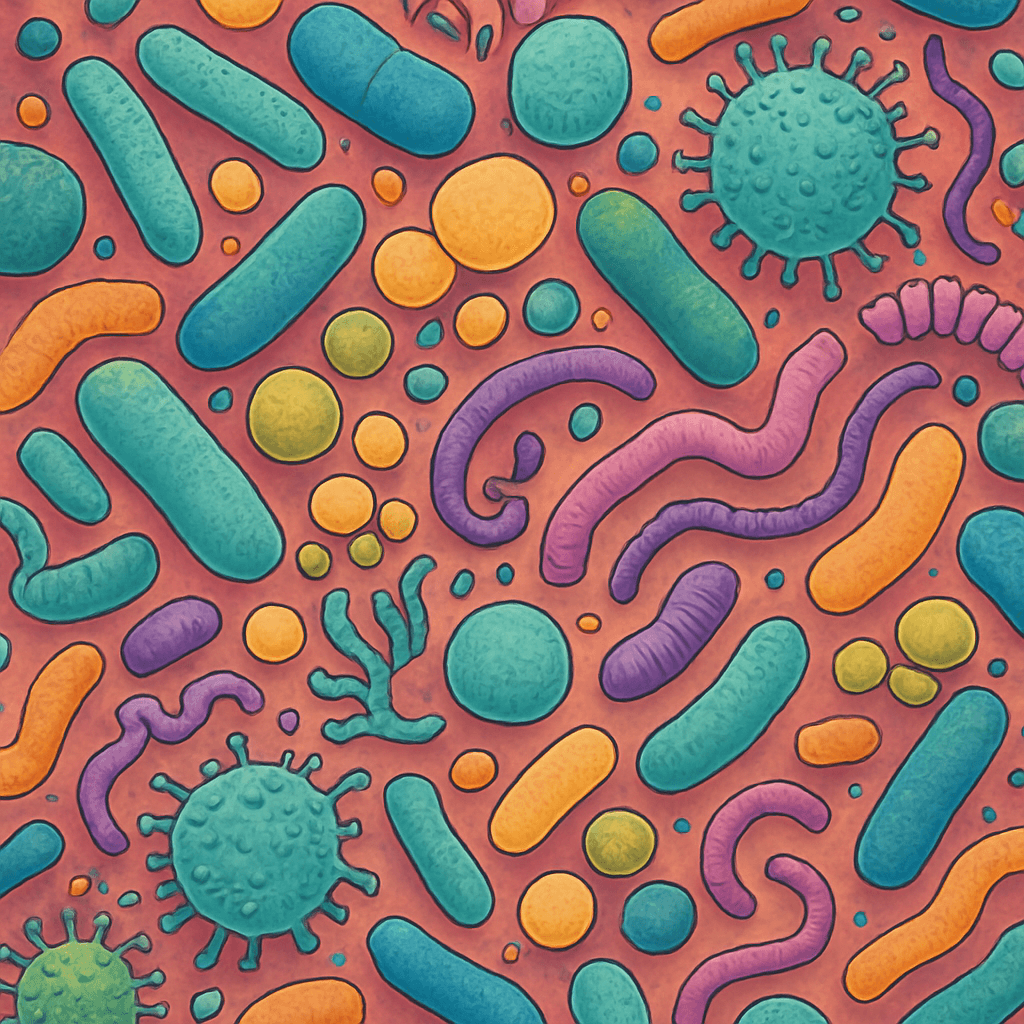
The gut microbiota is made up of many microorganisms living in the digestive tract. Its composition varies from person to person and changes with diet, age, medication, lifestyle and other factors.
The microbiota contributes to the metabolism of certain nutrients, the production of metabolites and interactions with the intestinal barrier and immune system.
Why are mushrooms of interest to researchers?
Mushroom cell walls contain different polysaccharides. Some may partially resist digestion and be used or transformed by intestinal microorganisms. Researchers therefore study their effects on microbiota composition and the metabolites produced.
Speaking of a “potential prebiotic effect” is more accurate than claiming that a mushroom “rebalances the microbiota” in everyone.
Beta-glucans
Beta-glucans are a family of polysaccharides found notably in mushrooms, yeasts and certain cereals. Their structure varies by source, which influences their biological properties.
In mushrooms, they are mainly studied for their interactions with immunity and, more recently, with the intestinal ecosystem. Findings cannot automatically be transferred from one extract to another.
Lion’s Mane and the gut–brain axis
Lion’s Mane is best known for research on cognition and certain neuroactive compounds. Preclinical work also explores its polysaccharides and their possible effects on the microbiota. Human evidence specific to this axis remains limited.
→ Lion’s Mane: memory, concentration and available evidence
Reishi and the microbiota
Experimental studies have observed changes in the microbiota with certain Reishi polysaccharides. These findings are useful for understanding mechanisms, but they do not justify promising better digestion, immunity or sleep for a given person.
→ Reishi: bioactive compounds and research status
Chaga and the microbiota
Chaga polysaccharides are also being studied preclinically in relation to the microbiota and metabolism. Human data remain insufficient to make Chaga a treatment for a digestive or metabolic disorder.
→ Chaga: composition, uses and research
Can we talk about “leaky gut” or repairing the intestinal barrier?
The intestinal barrier is a complex research topic. Experimental models can show effects on certain markers of permeability or inflammation, but this does not mean that a supplement “repairs the gut” in humans.
If you have persistent digestive symptoms, identifying their cause is more important than adding multiple supplements.
Extract quality
Two products based on the same mushroom can be very different. To compare them, look at:
- the species;
- the part used: fruiting body, mycelium or a blend;
- the extraction process;
- the actually measured beta-glucan content when claimed;
- contaminant testing;
- traceability.
Should you take several mushrooms for the microbiota?
There is no evidence that a blend of several mushrooms is automatically superior to a single extract. A varied diet rich in fermentable fiber remains a much better established way to support dietary diversity for the microbiota.
Precautions
Concentrated mushroom products are not appropriate in every situation. Particular caution is warranted with mushroom allergies, anticoagulant or immunosuppressive treatment, autoimmune disease, pregnancy or breastfeeding.
In summary
The microbiota is an interesting avenue for understanding some effects of fungal polysaccharides. Preclinical data are abundant, but human clinical benefits still need clarification. This page therefore remains informational and links to dedicated guides rather than discontinued products.
Compare Lion’s Mane, Cordyceps, Chaga, Reishi and Blazei · See the current collection