Shilajit: precautions, interactions and situations requiring caution
Share
Shilajit: precautions, interactions and situations requiring caution
Short answer: Shilajit is not suitable for everyone. Particular caution is important during pregnancy and breastfeeding, with chronic disease, medication use, disorders of iron metabolism, or when the product has not been properly purified and tested.
Why is product quality the first safety issue?
Shilajit comes from a complex natural material in contact with a mineral environment. A poorly purified or poorly documented product may contain contaminants. Safety therefore depends both on the quality of the batch and on the substance itself.
See our guide to heavy metals and certificates of analysis.
Pregnancy and breastfeeding
Safety data are insufficient. As a precaution, concentrated supplement use is generally discouraged during pregnancy and breastfeeding without medical advice.
Medication use
Data on Shilajit interactions are limited. This does not mean that no interactions exist. If you take long-term medication — particularly for blood pressure, blood sugar, clotting, hormones or chronic disease — seek advice before starting.
Hypertension and cardiovascular context
Human data do not allow a universal effect on blood pressure to be predicted. If you have hypertension or take cardiovascular medication, see our dedicated article on Shilajit and hypertension.
Iron metabolism
Shilajit contains different mineral elements depending on its origin. In cases of hemochromatosis, iron overload or another disorder of iron metabolism, medical advice is preferable before supplementation.
Gout, kidneys and liver
People with kidney or liver disease, or a history of gout, should avoid self-supplementing without professional advice. Specific data are insufficient to establish universal safety.
Autoimmune diseases
Claims of “immunomodulation” are often exaggerated. With an autoimmune disease or immunosuppressive treatment, do not assume that Shilajit is neutral or beneficial: seek professional advice.
Possible adverse effects
Digestive symptoms, headaches, unusual sensations or allergic reactions may occur depending on the person and product. If a significant reaction occurs, stop taking it and seek advice if necessary.
Can several products containing Shilajit be combined?
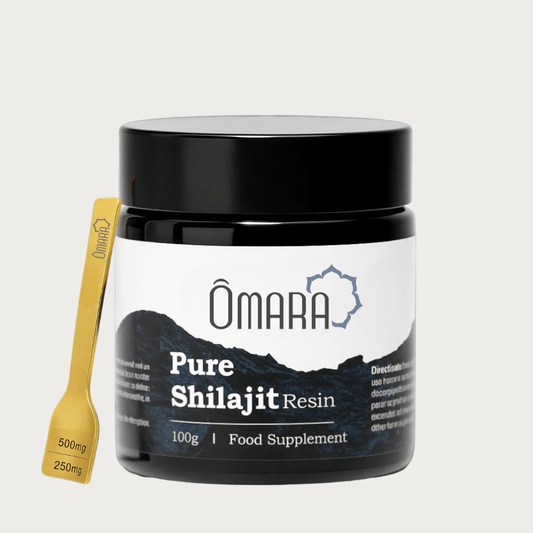
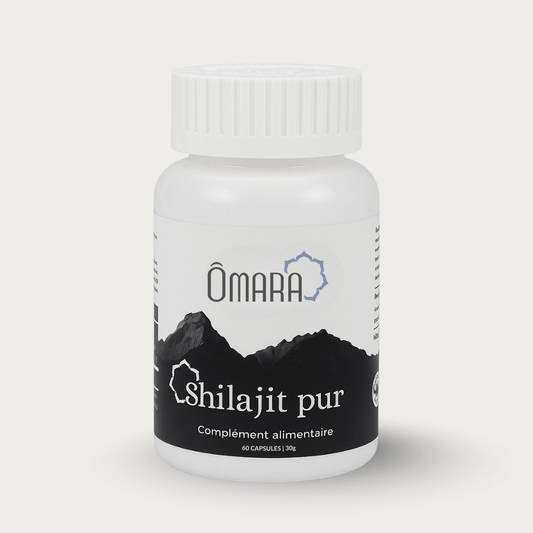
It is easy to exceed the intended amount when resin, pure capsules and a combined formula are taken together. Always check the total daily amount and see our dosage guide.
FAQ
Is Shilajit safe because it is natural?
No. “Natural” does not automatically mean risk-free.
Can it be taken with medicines?
It depends on the treatment and context. Because interaction data are limited, professional advice is recommended for regular medication.
How can the risk from contaminants be reduced?
Choose a purified, traceable product accompanied by relevant laboratory analyses.
Key takeaway
Shilajit safety depends on three elements: product quality, individual context, and avoiding unassessed accumulation or interactions. When there is medical uncertainty, professional advice takes priority.